

As businesses modernize their IT environments, many are shifting from traditional network models to hybrid mesh architecture. To unpack what hybrid mesh architecure means for both cyber risk management and insurance, we recently hosted a masterclass with Keely Wilkins in collaboration with Check Point: “Hybrid Mesh Architecture – The Next Big Factor in Cyber Insurance.” The session explored how brokers and underwriters can better educate policyholders about the risks and protections tied to their network architecture.
The full masterclass is available to watch online.
What Is Hybrid Mesh Architecture
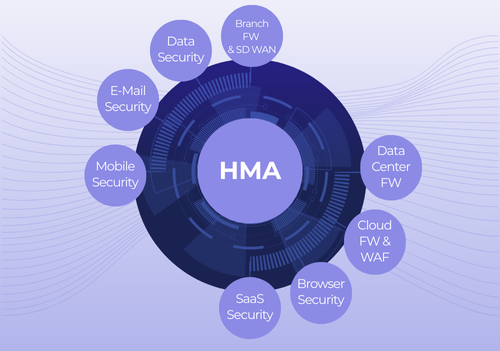
Hybrid Mesh Architecture (HMA) is a distributed security framework that combines multiple security models and technologies to create a flexible, interconnected defense system. So rather than relying solely on perimeter-based protections or standalone solutions, HMA weaves together elements of perimeter security, zero trust, and cloud-native design into one flexible architecture.
To put it simply, HMA is about creating a security fabric that adapts to the hybrid reality of today’s businesses, where data and users are spread across on-premises, cloud, and remote environments.
Why Hybrid Mesh Architecture is More Secure
Hybrid mesh architecture is considered more secure because it combines multiple layers of protection across on-premises, cloud, edge, and SaaS environments. Hybrid mesh offers agile connectivity and integrates diverse security tools, ensuring coverage across all parts of an organization’s network. This layered and interconnected approach reduces blind spots, improves threat detection, and provides consistent policy enforcement, all while maintaining cost efficiency.
How to Teach Your Policyholders About Hybrid Mesh Architecture
When introducing hybrid mesh architecture to policyholders, it helps to begin with why businesses are adopting it. Most organizations face growing complexity when it comes to cyber threats and managing the number of security tools they use. Hybrid mesh architecture addresses this by weaving these pieces into a unified system where security is consistent and always on.
Help Clients Identify If They Fit the Profile
Not every business will adopt hybrid mesh right away, but many fit the profile.
Companies in HMA Sweet Spot:
- 500 employees
- distributed operations
- Multi-cloud environments
By showing policyholders how their size, industry, and technology choices align with the typical hybrid mesh adopter, brokers and underwriters can make the concept tangible and relevant.
Address the “Best of Breed” Misconception
Executives often assume that buying the “best” tool for each security function creates the strongest defense. In practice, these best-of-breed tools rarely integrate well. They rely on different data sources, analyze threats in inconsistent ways, and create inefficiencies that can leave gaps in coverage. Explaining this helps clients see why insurers prefer interconnected systems like hybrid mesh, which focus on integration as much as individual tool strength.
Connect It Back to Insurance
Tie the discussion to underwriting considerations. Policyholders don’t need to master the technical details, but they should understand that insurers are paying closer attention to how well security solutions work together. A fragmented environment signals higher risk, which can influence coverage terms and premiums. By contrast, a hybrid mesh approach demonstrates an effort to reduce complexity, strengthen resilience, and close security gaps.
Educating policyholders about hybrid mesh architecture is about showing them how smart network design directly impacts risk, resilience, and insurability. To dive deeper into the topic, the full masterclass is available online.