
Uncovering the Cybersecurity Risks of AI
Generative AI tools have boosted cybersecurity risks by increasing accessibility to committing ransomware, spear phishing, and other cybercrimes.
AI has provided threat actors with the opportunity execute cybercrimes at scale. Ransomware is now back on the rise, phishing attacks have become far more realistic, and cybercriminals no longer need to be expert hackers or computer geniuses. These imminent threats may sound daunting, but there are actionable ways to protect yourself against the cybersecurity risks of AI.
Ransomware with the Use of AI
Over the past few years, ransomware has become less effective, with a 40% decline in the amount of money being paid. Additionally, about 59% of ransomware victims refuse to pay off their ransom, making this a less lucrative crime. However, generative AI will make it easier for threat actors to scale cyber attacks with ease. It will increase their ability to reach a larger group of people at a faster rate, thereby boosting their chances of scoring a ransom payment.
Read the rest with a free account
The library is open to anyone with an account — articles, white papers, market updates and the masterclass archive. It is free, there is no time limit, and nothing renews.
Already have one? Sign in
More from Guides
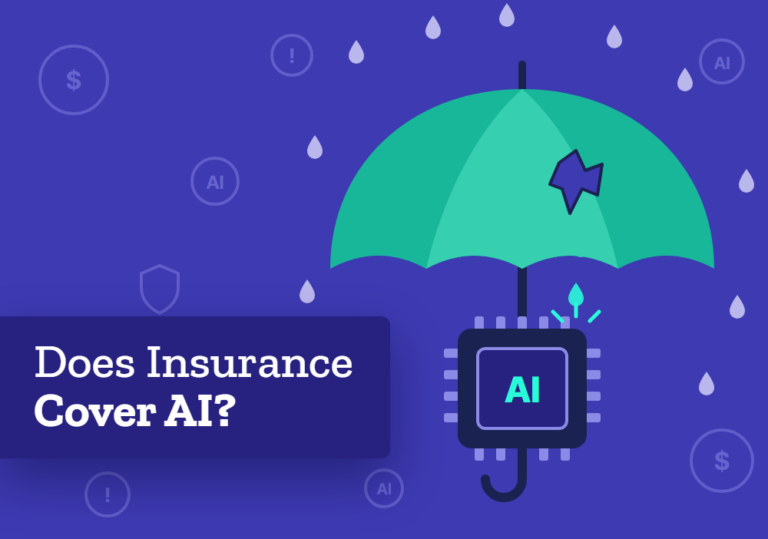
Does Insurance Cover AI? What Cyber and Liability Policies Say in 2026
No line of insurance fully covers AI yet, and most policies still say nothing about it. Here is our read of where AI risk sits in 2026.
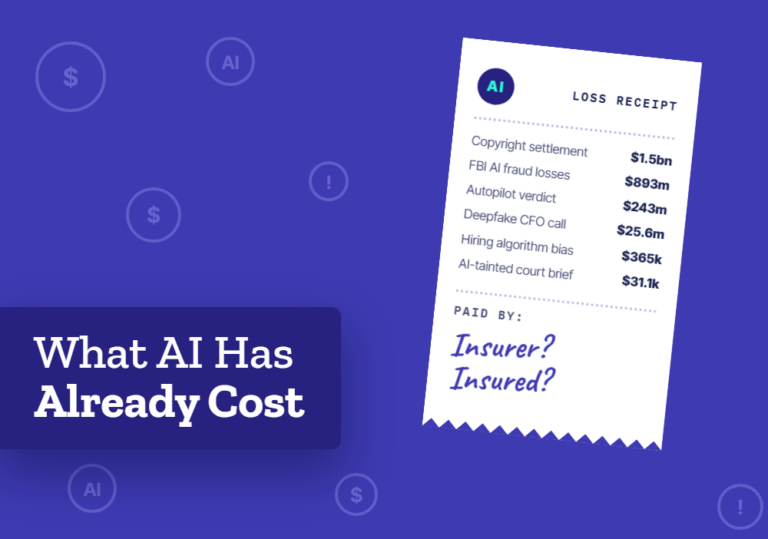
What Has AI Already Cost? AI Losses Through an Insurance Lens
AI losses already run from a $31,000 court sanction to a $1.5bn settlement. The harder question for insurers: who paid?

When Cyber Insurance Starts Dictating Ransomware Response
Cyber insurance is often described as a financial backstop - a way to transfer risk once the worst has already happened. In…